Once final, it’ll make most of the https://www.xcritical.com/ guarantees of Polkadot 2.0 a reality. It shall be by far the biggest replace in the history of Polkadot because the blockchain was first fully launched in 2021. JAM will substitute the Relay Chain, which the whole Polkadot ecosystem relies round. Miners would as a substitute profit from “tips,” small mounted amounts of cash set by wallets to compensate them. A greater tip will ensure quicker settling times, however it won’t lead to involuntary over-payment, as is often the case with the current system. Ethereum Improvement Proposal (EIP) number 1559 addresses this downside by proposing a base charge on the network.
That is as a end result of the miner has already carried out the equivalent quantity of labor to course of your transaction they usually receive the fees for doing so even when the transaction doesn’t go through. For instance, if your fuel limit is 20,000 models and the fuel price is 200 gwei (a small fraction of ETH), your complete fee would be four,000,000 gwei, or 0.004 ETH. Be Taught what, precisely, fuel fees are, why they fluctuate, how they’re calculated, and sensible methods to attenuate cost using tools, timing, and options. EIP-1559 added complexity to the Ethereum gas charge marketplace compared to the earlier first-priced auction system. Customers now have to think about a multitude of variables including base charge, priority fee, and max payment. Visit the Blocknative blog to view our guide to EIP-1559’s impression on gas fee calculations.

The base charge is calculated by a formulation that compares the scale of the previous block (the amount of gasoline used for all of the transactions) with the goal size. The base fee will improve by a maximum of 12.5% per block if the target block size is exceeded. This exponential progress makes it economically non-viable for block dimension to remain high indefinitely. A transaction that solely pays the base fee is technically legitimate however unlikely to be included because it presents no incentive to the validators to choose it over any other transaction. For instance, a easy token transfer on the Ethereum network requires 21,000 gasoline to finish. The third week of April saw an average gas worth of round 20 gwei.
Stay Gas Fees
Fuel fees decouple transaction costs from ETH’s worth volatility. This ensures that customers experience predictable fees no matter ETH’s market fluctuations. Since ETH’s market worth can change rapidly, instantly pegging transaction fees to ETH would result in unpredictable and doubtlessly exorbitant prices.
Stock merchants who regularly buy and promote shares can lose cash on brokerage charges, and crypto merchants could be caught unexpectedly by excessive gas costs. Unfortunately, there isn’t a means for you to directly reduce the impact of the fuel unit, however there are ways that you can scale back your whole payment by decreasing the bottom payment and tip. You can use several tools to verify present fuel fees and whether they’re considered high at any given second. By default, your pockets makes use of this formulation to run the numbers for you and provide an estimated gas charge on your transaction.This demo shows how fuel charges are displayed in the Uniswap net app. By attaching a price to every transaction, fuel fees also help discourage malicious actors from spamming the network, because the monetary burden of these makes an attempt can turn into unsustainable. Blocknative’s ETH Fuel API Platform leverages real-time mempool data to assist you maximize predictability, and keep away from overpaying when fuel fees are high.
Of Essentially The Most Stylish Trakx Crypto Indices: Rwa, Ai, Memes
- When the quantity of such transactions increases, the community will turn out to be unresponsive.
- The gas charge isn’t set by builders, miners, or project leadership.
- For it to be paid, it must have its value expressed in Ether, the underlying cryptocurrency of the Ethereum community.
- If you count on a excessive return or place excessive value on an Ethereum transaction, then you could be willing to pay the next gas fee.
- It is the gas that enables it to operate, in the identical means that a automotive needs gasoline to run.
Signal up for a free Blocknative account to be instantly alerted any time gas falls beneath a specified worth immediately via your extension. The fuel restrict is the utmost quantity of gasoline miners are approved to devour Gas Fees in Crypto to complete a transaction. Go To our blog to read extra on Ethereum transaction gasoline limits. Community congestion is the main purpose why ETH gas fees are excessive.
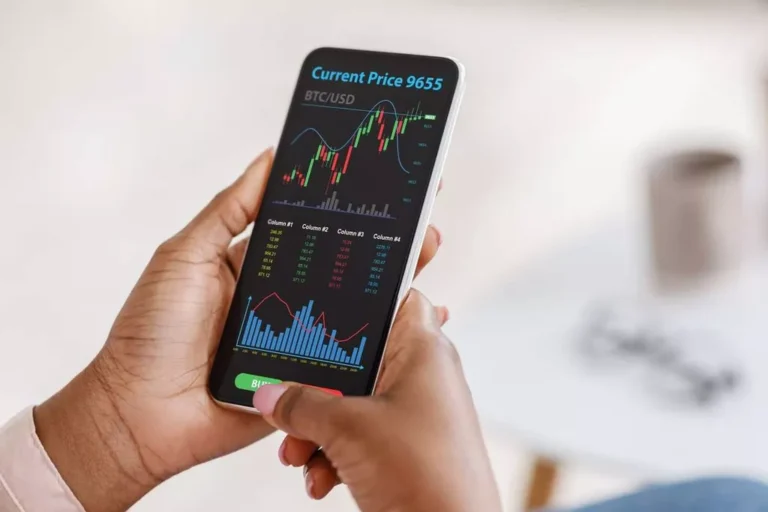
Fuel fees are the gasoline Ethereum network must course of transactions on the chain. While banks cost a transaction fee, the Ethereum community charges fuel. This charge retains the community working effectively and helps stop unnecessary transactions. Luckily you’re already heading in the right direction just by studying this high-level overview of gas charges and how they work.
The EIP, called BASEFEE, would then regulate this determine relying on how congested the community is. For Ethereum to work as a world laptop, charges on the network need to be minuscule. As such, the way in which to pay for these transactions, Ether, also must be denominated in minuscule quantities. For it to be paid, it needs to have its value expressed in Ether, the underlying cryptocurrency of the Ethereum network. It’s left to patrons Yield Farming and sellers (miners) to provide you with a price appropriate to both sides. If the fees are high, sensible contract deployment is expensive, especially for those with complex logic and a number of other directions to execute.
Ethereum fuel charges can solely be paid in Ethereum’s native token, Ether (ETH). The improve that Ethereum underwent in 2021 made fuel charges much more predictable. Regardless Of that, network demand is still a BIG issue when figuring out the fuel fees. Simple transactions from level A to level B cost less than interactions with good contracts and DeFi protocols.
Ethereum gasoline fees can repeatedly spike for days when community demand exceeds the bandwidth capacity of Ethereum. When community capacity is exceeded throughout high-demand intervals, gas fees increase to prioritize transactions. During high-activity periods within the crypto ecosystem, like spikes in Bitcoin and Ethereum utilization, gasoline fees often rise significantly. To transact on the Ethereum network, you may be charged a fee, which is paid out to a miner who processes and validates the transaction. It is important to note that not all transactions will price the same quantity of gas.
The fuel charge isn’t set by builders, miners, or project leadership. Real users specify how much fuel they’re willing to pay and the way much ETH they’ll pay for each fuel unit. They’re charged based on the amount of gasoline spent on the transaction. If the network turns into overwhelmed, fuel prices improve, discouraging users from further overloading the community.
Constructed on blockchains, decentralized apps make financial providers, gaming platforms, art marketplaces and more accessible and transparent. Customers can also embrace a tip (also generally known as a priority fee) to incentivize validators to prioritize their transaction. The merging of Ethereum’s two layers, generally identified as The Merge, took place in the summer of 2022 and marked the transaction to a full Proof-of-Stake model. This specific replace lowered Ethereum’s vitality consumption whereas sustaining community security and functionality. Bryn Wealthholm